Combining Wildlife and Beach for a Tanzania Safari Holiday
Why a Tanzania safari holiday works well with a beach stay
Many travelers dream of an African safari but also want time to relax by the ocean. Tanzania offers both in one trip. The country is home to some of the world's most famous wildlife parks, while its coastline along the Indian Ocean provides white sand beaches and warm waters. A single holiday can include game drives in the Serengeti and lazy afternoons on a Zanzibar beach. This kind of trip requires planning, but the reward is a vacation that feeds both adventure and rest.
The key is to think about timing and logistics. Wildlife viewing depends on seasons and animal movements. Beach weather is generally reliable year-round, though rain and wind can affect some months. A well-designed itinerary balances time between the bush and the coast, with enough days in each place to avoid feeling rushed. Many travelers find that a week in the parks followed by a few days on the beach works well, but the exact split depends on individual interests and budget.
How a safari and beach combination works in practice
The most common route starts with a flight from the coastal city of Dar es Salaam or from Zanzibar to one of the northern safari airstrips. From there, you can explore the Serengeti, Ngorongoro Crater, Tarangire, or Lake Manyara. After several days of game drives, you fly back to the coast for a beach stay. Some operators offer what is called a Serengeti fly-in safari, which cuts down travel time and leaves more hours for wildlife viewing. This arrangement is especially useful if you are coming from Zanzibar, where many visitors begin or end their holiday.
If you combine a safari beach holiday Tanzania, you get two very different experiences in a single journey. The mornings on safari are about tracking predators and watching herds move across the plains. The afternoons on the coast are about snorkeling, diving, or reading under a palm tree. The contrast is part of the appeal. You do not have to choose between a wildlife adventure and a beach escape. You can have both.
Choosing the right safari parks for your trip
Not all parks suit a combined itinerary equally. The Serengeti is the most famous and offers the highest density of large mammals, but it is also farther from the coast. A fly-in option makes it feasible. Tarangire National Park is closer to Arusha and can be combined with a beach stay if you drive to the park and then fly out. Ngorongoro Crater is a compact area where you can see lion, elephant, and rhino in a single day. Lake Manyara is known for tree-climbing lions and large flocks of flamingos. If time is short, choosing one or two parks rather than three or four keeps the pace comfortable.
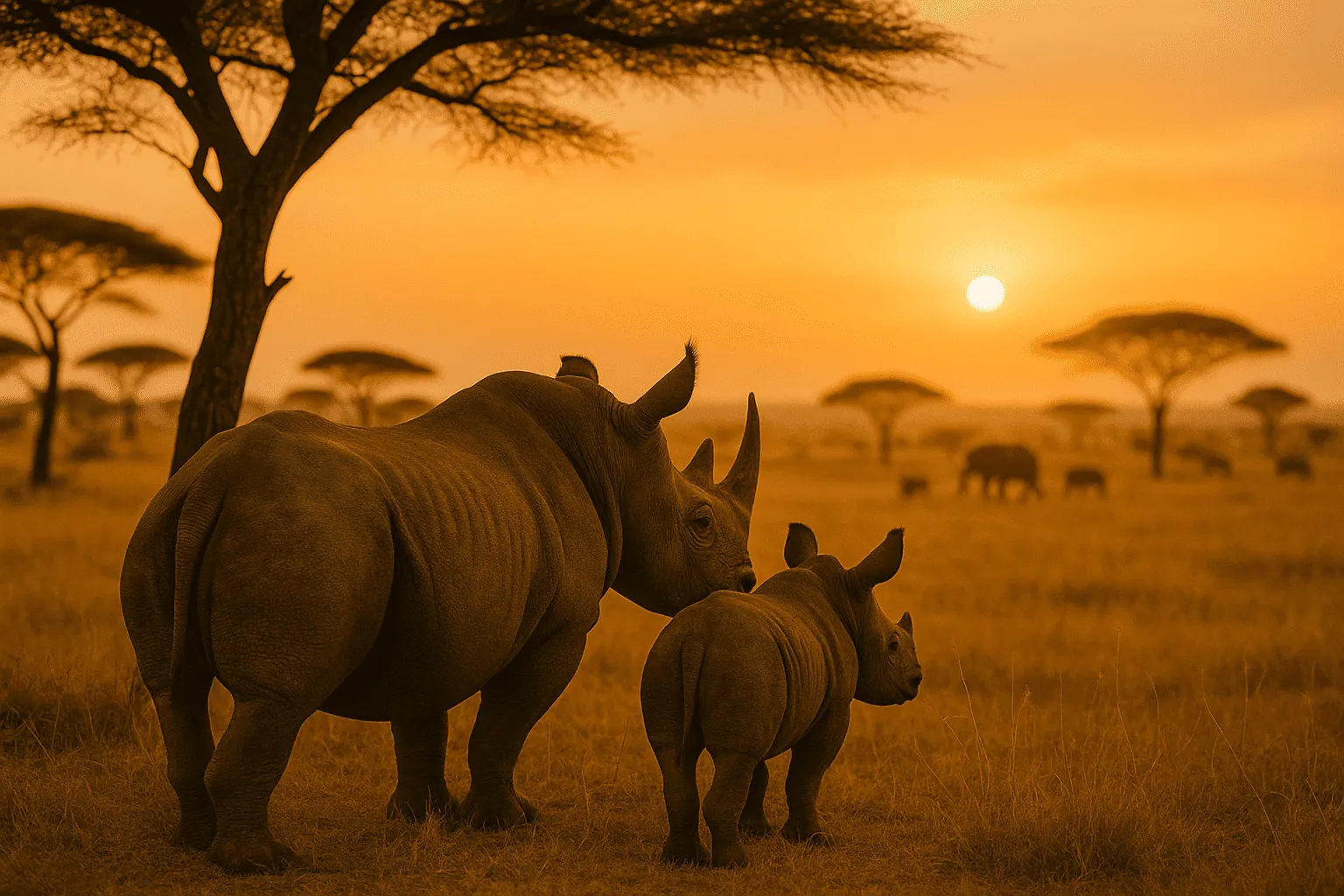
For those who prefer a private experience, tailor-made safari tours allow you to set your own schedule and focus on the animals or landscapes that interest you most. This flexibility is valuable when you also want beach time. A standard group tour might not offer the same freedom to adjust the itinerary. Discussing your priorities with a tour operator before booking helps ensure the safari portion does not feel too short or too rushed.
Zanzibar as the beach base
Zanzibar is the main beach destination for most visitors combining wildlife and coast. The island has a long history as a trading hub and offers both cultural sites and clear water. Stone Town, the old quarter, is a unesco world heritage site with narrow alleys, carved doors, and spice markets. The eastern and northern coasts have resorts and quieter coves. The southern beaches, such as those near Nungwi, are popular for sunset views and water sports.
If you want a very relaxed beach stay, consider the smaller islands around Zanzibar. Mnemba Island, for example, has a single lodge and excellent snorkeling. But these options are more expensive and require advance booking. For most travelers, the main island of Zanzibar offers enough variety in accommodation, dining, and activities. You can spend a day visiting a spice farm, take a dhow sailing trip, or simply swim in the warm ocean.
Practical considerations for a combined trip
One of the main challenges is luggage. Safari vehicles have limited space, and many small aircraft have weight restrictions. Packing light and choosing neutral-colored clothes for the bush while saving lighter fabrics for the beach is a good strategy. You will also need to carry a small day pack for the flight between the two areas. Most lodges and camps provide laundry services, so you do not need a full wardrobe for each day.
Another consideration is health. Tanzania requires a yellow fever vaccination if you are traveling from an endemic country. Malaria prophylaxis is recommended for both the safari areas and the coast. Check with a travel clinic at least six weeks before departure. The water in Zanzibar is not safe to drink from the tap, so bottled water is the norm. In safari camps, water is usually filtered or boiled.
Visa requirements have changed in recent years. Most nationalities can get a tourist visa on arrival or apply online in advance. The e-visa system is straightforward and saves time at the airport. Make sure your passport has at least six months of validity remaining.

When to go for the best experience
The dry season from June to October is the peak time for wildlife viewing in the northern parks. Animals gather around water sources, and vegetation is thinner, making them easier to spot. This period also coincides with the great migration in the Serengeti, when millions of wildebeest and zebra move across the plains. The weather on the coast is also good during these months, with less rain and lower humidity.
The wet season from November to May brings green landscapes and many newborn animals. Birdlife is abundant. However, roads in the parks can become muddy, and some camps close during the heavy rains. Beach conditions are still acceptable, though there may be occasional afternoon showers. For a combined trip, the dry season offers the most reliable conditions, but the wet season can be quieter and cheaper. You need to weigh the trade-offs between fewer crowds and higher chance of rain.
Tailoring the trip to your preferences
A tailor-made safari is not just about picking a park and a hotel. It involves deciding the length of each segment, the type of accommodation, and the activities you want. Some travelers prefer luxury lodges with private guides and gourmet meals. Others are comfortable in tented camps that offer a more rustic feel. The same applies to the beach portion: from simple guesthouses to five-star resorts, the range is wide.
If you are interested in photography, you might want a private vehicle and a guide who understands light and animal behavior. If you are traveling with children, you will need a camp or lodge that allows young ones and offers age-appropriate activities. If your main goal is relaxation, you might choose a beach resort with a spa and few structured activities. Communicating these preferences to the tour operator helps them build a trip that matches your expectations.
What to expect on a typical day
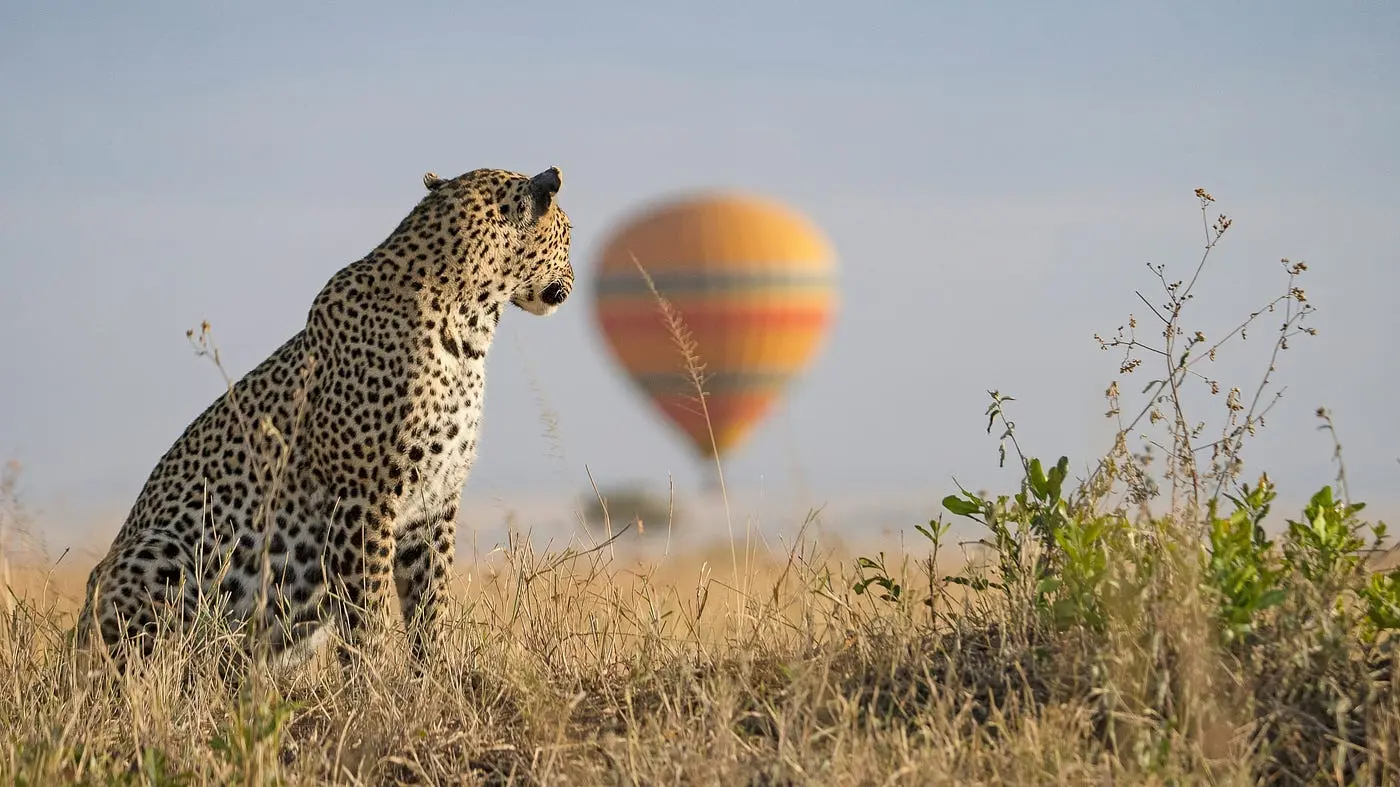
On safari, the day begins early. A pre-dawn wake-up call is followed by a light breakfast, then a game drive that lasts until mid-morning. You return to camp for a late brunch or lunch, then rest through the hottest part of the day. Late afternoon brings another drive until sunset. Dinner is often served outdoors under the stars. The beach part of the holiday is more relaxed. You can have breakfast at a normal hour, spend the morning swimming or exploring, have a long lunch, and then read or nap in the afternoon. Evening activities might include a sunset cruise or a meal in town.
The change of pace is one of the main reasons people choose this kind of trip. The safari demands early starts and focused attention. The beach invites you to slow down. Together, they create a balanced holiday that leaves you with memories of both wild encounters and quiet moments by the sea.
Final thoughts on planning
A safari beach holiday Tanzania is not a single product. It is a concept that can be shaped to fit different budgets, interests, and time frames. The combination works best when you treat both parts as equally important. Do not rush the safari to fit in extra beach days, and do not cut the beach short because you want to see more parks. A good itinerary respects the travel time between the two areas and allows for rest days after long drives or flights.
Research operators who specialize in Tanzania. Ask about their experience with combined trips, their vehicle standards, and their guide qualifications. Read recent reviews. The planning stage can feel overwhelming, but the effort pays off when you are watching a lioness with her cubs one week and floating in the warm Indian Ocean the next. With thoughtful preparation, you can enjoy the best of both worlds in a single holiday.